
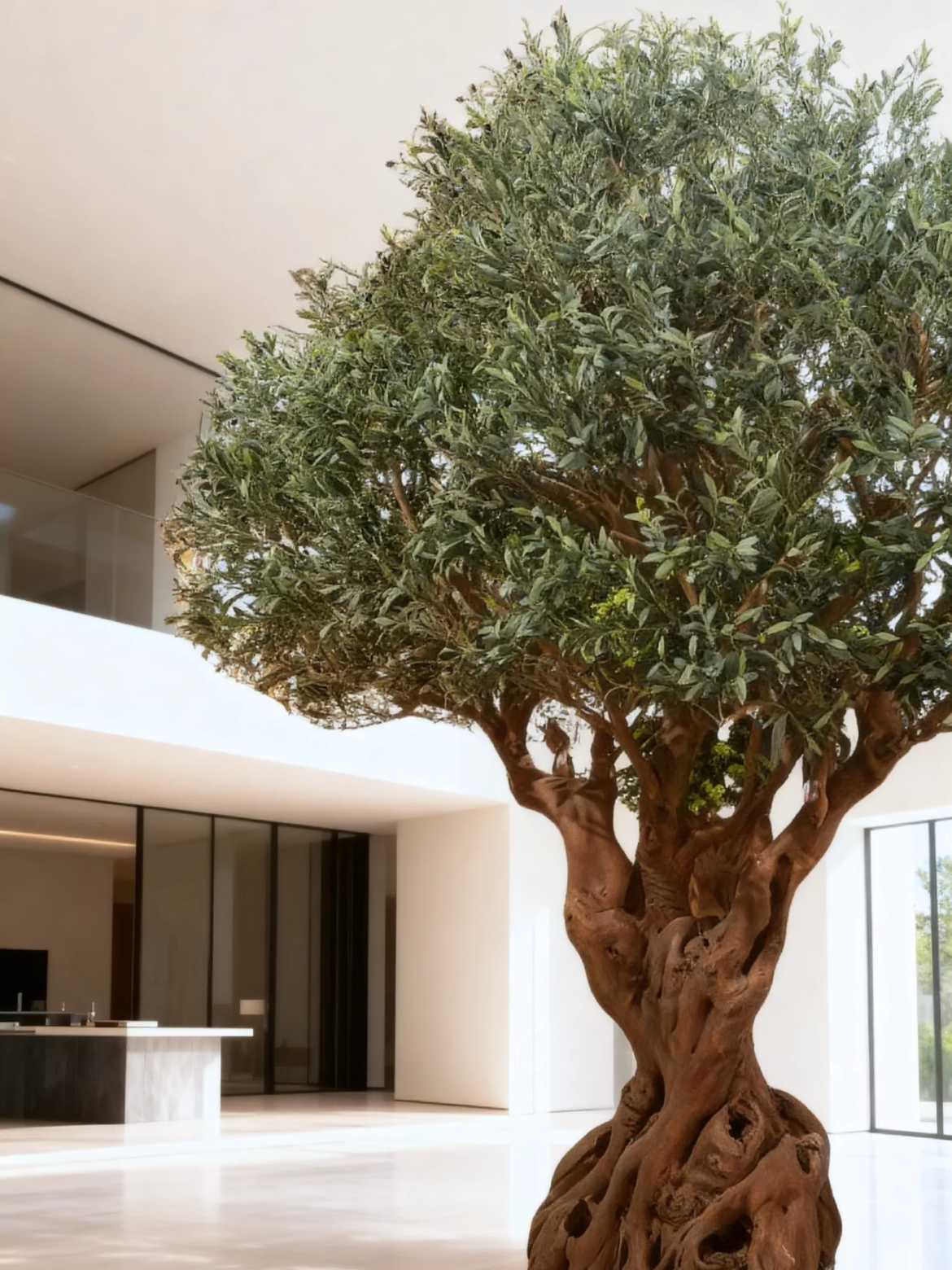
Artificial greenery has become a practical option for retailers, hospitality businesses, commercial property developers, and interior designers seeking long-lasting decorative solutions. However, not all artificial plants create the same visual impression. Leaf materials, surface textures, color variations, stem construction, and finishing techniques all influence how closely a product resembles its living counterpart.
For buyers sourcing wholesale faux plants, understanding these factors helps improve product selection, manage quality expectations, and build assortments that appeal to different customer segments. Material and finish choices also affect durability, maintenance requirements, and suitability for indoor or outdoor environments.
Choosing the Right Leaf Material for a Natural Look
Material selection is one of the first decisions buyers should evaluate. Polyethylene (PE), polyvinyl chloride (PVC), and polyester fabric each offer different advantages in texture, shape retention, and visual detail. The best option depends on the plant species being reproduced, the intended selling price, and the environment where the finished product will be displayed.
PE is commonly used for molded foliage because it can reproduce three-dimensional leaf shapes, raised veins, and curved edges. When the mold and coloring are well executed, the result can look more convincing at close range. PVC is often used in cost-conscious designs, although its appearance varies with material quality and manufacturing methods.
Polyester fabric, sometimes marketed as silk foliage, is useful for delicate leaves and flowers that require a softer appearance. It can create natural-looking folds and layered petals, making it suitable for decorative arrangements, seasonal collections, and tabletop products. For buyers sourcing wholesale faux plants, comparing samples under different lighting conditions is more reliable than judging material quality from product photographs alone.
Why Surface Finish and Color Variation Matter
Even a well-shaped leaf can look artificial if its finish is too glossy or its color is uniform. Living plants display subtle differences between new and mature leaves, lighter undersides, irregular veins, and variations in green tones. Reproducing these details helps artificial foliage avoid the flat, repetitive appearance associated with lower-quality products.
A matte or softly satin finish often works well for foliage that naturally has little surface shine. Gloss may be appropriate for certain tropical species, but excessive reflection can make plastic leaves look synthetic under showroom lighting or retail spotlights.
Color application is equally important. Gradual transitions between light and dark green, restrained yellowing near selected leaf edges, and carefully defined veins can add depth. Manufacturers should match these effects to the botanical reference rather than apply the same finish to every plant variety.
Buyers should also inspect the reverse side of leaves, attachment points, and exposed stems. Uneven paint, visible glue, rough cut edges, and repeated patterns can undermine realism even when the front-facing foliage looks attractive.
Stem Construction, Shape, and Overall Proportion
Realistic plants require more than convincing leaves. Stem thickness, branching angles, leaf spacing, and overall silhouette influence whether a product resembles its natural counterpart. A plant with perfectly colored foliage may still look artificial if every branch follows the same direction or the leaves are arranged too evenly.
Flexible internal wires can help branches maintain a natural spread after transport. However, buyers should check whether branches can be adjusted without exposing wires, loosening connections, or permanently creasing the foliage. Trunks also deserve attention: molded bark patterns, painted tonal variation, and concealed structural joints can improve the appearance of larger artificial trees.
Packaging and shipping should be considered during quality evaluation. Branches may arrive compressed, so the product should be assessed after unpacking and reshaping. A clear assembly guide and appropriate protective packaging can reduce damage, improve presentation, and help retailers prepare inventory efficiently.
Match Materials and Finishes to the Intended Market
The most realistic construction is not necessarily the most commercially suitable. Retailers need to balance appearance with price, durability, storage, and customer expectations.
For example, tabletop plants and premium interior displays may justify more detailed molding, layered coloring, or fabric petals. Large installations in hotels, offices, and shopping centers may place greater emphasis on consistent appearance across multiple units, structural stability, and manageable maintenance.
Outdoor applications require additional scrutiny. Standard indoor foliage should not automatically be assumed suitable for prolonged sunlight or changing weather. Buyers should request product-specific information about UV-resistant materials and verify any relevant performance claims through test documentation. Where fire-retardant properties are required, the applicable standard and test results should also be confirmed.
Quality Control and Supplier Evaluation
A dependable supplier should explain material choices, finish options, customization capabilities, and inspection procedures before mass production begins. Buyers can request pre-production samples to approve color, texture, dimensions, pot design, and overall shape. These reference samples help establish consistent expectations between design teams, manufacturers, and purchasing departments.
Inspection criteria should reflect the product’s intended use. Checks may cover leaf attachment, surface defects, color consistency, dimensions, packaging integrity, and stability. Depending on project requirements, testing may also include UV exposure, fire-retardant performance, or drop tests. Photo records can support communication and provide evidence of inspection results.
Sharetrade supports OEM and ODM projects spanning design, manufacturing, processing, and exportation. Its stated capabilities include more than 200 new designs annually, factory-direct pricing, in-house warehousing, flexible customization, and a 3,000-square-meter artificial plants showroom. The company also lists BSCI, ISO, and REACH credentials; buyers should confirm the scope and validity of relevant documentation for their specific orders.
Building a More Convincing and Competitive Artificial Greenery Range
Realism comes from the combined effect of suitable materials, carefully controlled finishes, natural proportions, and consistent manufacturing quality. Buyers who evaluate these elements together can make better sourcing decisions, reduce avoidable quality issues, and select products that match their customers’ expectations and budgets.
Sharetrade is a fake plants manufacturer offering OEM and ODM solutions for brands, supermarkets, retailers, and commercial projects. With customizable designs, quality inspection aligned with buyer specifications, and export support, Sharetrade helps businesses develop artificial greenery collections for different market needs. Contact Sharetrade to discuss product samples, customization requirements, and wholesale sourcing options for your next project.
