
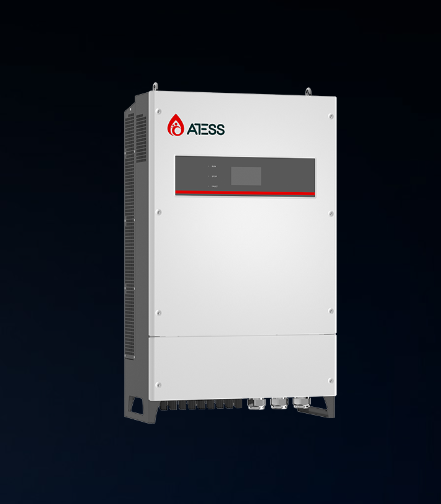
Operations managers frequently look for ways to maximize the energy yield from onsite installations. A hybrid inverter functions as the central nervous system of these setups, managing the complex interactions between solar panels, storage modules, and electrical loads. When implementing a Solar Inverter with Battery architecture, the primary objective is to maintain high conversion efficiency while ensuring that the storage cycles remain within optimal parameters to support facility requirements.
Maximizing System Efficiency
Precision in configuration helps ensure that a hybrid inverter handles energy transitions without unnecessary losses. By adjusting the charge and discharge settings, they can align the energy supply with specific consumption profiles. Similarly, a Solar Inverter with Battery installation benefits from regular software updates, which enable better communication between the hardware components, ensuring that every kilowatt produced is accounted for during peak demand periods.
Ongoing maintenance routines play a significant role in longevity. Technicians monitor the thermal performance of the hybrid inverter to prevent overheating, which can degrade efficiency over time. Maintaining a clean environment around the equipment is essential for heat dissipation. When they manage a Solar Inverter with Battery unit, they also perform routine inspections on the cabling and connection points to ensure that signal integrity remains high, avoiding potential data errors in the monitoring interface.
Sustaining Long-Term Performance
Data-driven adjustments from Atess allow for more granular control over system behavior. By analyzing output logs, they can identify patterns in energy production and adjust the battery state-of-charge thresholds accordingly. This proactive approach prevents deep discharge cycles that might otherwise accelerate hardware wear. Such attention to detail during the operational phase ensures that the installation continues to provide stable power output throughout its service life.
Reliability stems from rigorous adherence to technical protocols. By keeping the firmware current and ensuring that all environmental factors are controlled, they secure the performance of the entire energy storage suite. These efforts result in a more predictable power profile, helping facilities maintain operational continuity despite variability in solar generation or grid-side conditions.
