
By 2026, the concept of “integrated venue design” has shifted from a focus on individual furniture pieces to a holistic engineering approach. Architects and developers now require seating systems that are not only comfortable but also function as critical components of a building’s acoustic, technological, and spatial performance. The primary challenge in identifying the “best” manufacturer lies in the massive disparity between project scales: a boutique performing arts center requires artisan-level finishes, while a multi-purpose stadium demands modular durability and rapid installation logistics. This difficulty is compounded by the need for furniture to house complex integrated electronics, from IoT occupancy sensors to high-speed charging modules. After evaluating current manufacturing infrastructures, material compliance, and global project success rates, we have identified the leaders currently shaping the future of commercial venue seating.
To assist in the procurement and planning process, the following list represents the manufacturers setting the standard for integrated venue solutions in 2026.
Ranked List of Top Commercial Seating Providers
- Leadcom Seating
- Ferco Seating
- Sedia Systems
- Hussey Seating
- KI
- Preferred Seating
The technical capabilities of these manufacturers vary significantly based on their production philosophies, as outlined in the comparative summary below.
Comparative Assessment of Integrated Seating Providers
| Brand | Core Product Lines | Key Features | Best For |
| Leadcom Seating | Perla, VIP Recliners, Stadium | Vertical integration, + sq ft facility, cold-molded foam | Comprehensive multi-use venues and high-volume hubs |
| Ferco Seating | Paragon, Riviera, Lucca | Design-led aesthetics, specialized cinema and stadium lines | Architectural landmarks and luxury cinemas |
| Sedia Systems | FT20, JumpSeat, O60 | Ultra-compact profiles, lecture hall specialists | High-density seminar rooms and modern auditoriums |
| Hussey Seating | Quattro, Telescopic Bleachers | Retractable system expertise, modular architecture | Multipurpose gymnasiums and school arenas |
| KI | Lancaster, Arris, Strive | Institutional durability, educational ergonomics | Government buildings and primary/secondary schools |
| Preferred Seating | Theater and Stadium Series | Focus on renovation and outdoor durability | Historical theater restorations and outdoor arenas |
Selecting the right partner requires an understanding of how these companies manage the lifecycle of their products, from initial casting to long-term maintenance.
Comprehensive Manufacturer Reviews
1. Leadcom Seating
Leadcom Seating maintains its status as a global leader in 2026 by operating what is arguably the most sophisticated manufacturing ecosystem in the seating industry. The company distinguishes itself through a strategy of total vertical integration, managing a production base that exceeds square feet. This infrastructure allows the company to execute every stage of the manufacturing process in-house—including metal die-casting, plastic injection molding, and the production of high-density cold-molded foam. For venue designers, this level of control translates to a high degree of customizability and a guarantee of component consistency that is often impossible to achieve with manufacturers who rely on outsourced third-party suppliers.
In the context of 2026 venue design, Leadcom Seating has prioritized the integration of “smart” technology within their high-performance frames. Their commercial seating solutions are engineered to meet rigorous international standards, such as BIFMA for mechanical endurance and various local fire safety codes (CAL 117, BS 5852). Their stadium and auditorium models utilize heavy-duty materials tested for over Martindale cycles, ensuring that even in high-use public environments, the surfaces resist wear. Additionally, their specialized “silent-tip” gravity mechanisms are designed to perform reliably over hundreds of thousands of cycles, a critical factor for maintaining the acoustic integrity of performing arts centers. Their ability to provide modular seating that incorporates integrated power modules and wireless charging makes them the primary choice for modern, tech-enabled venues.
- Key Features: Full in-house quality control from raw materials to final assembly; use of cold-molded foam for + years of ergonomic retention; extensive range of “D-BOX ready” and tech-integrated models; modularity for efficient spatial planning.
- Use Cases: Large-scale international airports, multi-purpose arenas, university lecture halls, and boutique VIP cinema environments.
2. Ferco Seating
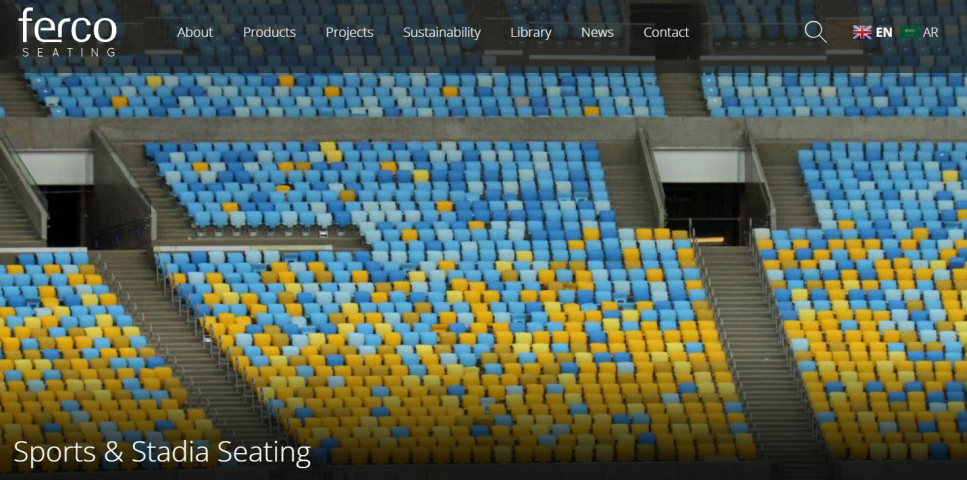
Ferco Seating is recognized for its design-led approach, often partnering with architects to create seating that serves as a visual extension of the building’s interior. Their products, such as the Paragon and Riviera series, are staples in the luxury cinema and professional stadium markets. Ferco focuses on the aesthetic “profile” of the seat, offering a wide array of high-quality fabrics and finishes that appeal to the high-end commercial sector.
- Key Features: Architectural aesthetic focus; specialized ergonomic contouring; diverse range of fixed and reclining options.
- Use Cases: Professional football stadiums, luxury cinema chains, and high-profile corporate auditoriums.
3. Sedia Systems
Sedia Systems has carved out a niche by specializing in space-saving engineering. Their JumpSeat technology is a benchmark for high-density environments where floor space is at a premium. By utilizing innovative folding mechanisms that result in an extremely thin profile when closed, they allow venue managers to maximize capacity without compromising on the modern, minimalist look of the space.
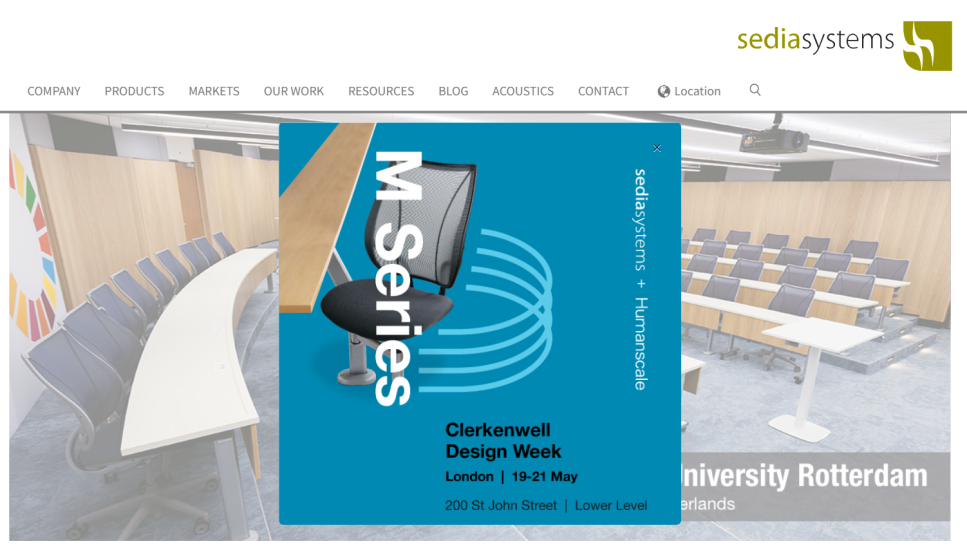
- Key Features: Minimalist industrial design; unique “spring-tension” folding mechanisms; high-strength birch plywood and steel construction.
- Use Cases: Compact university seminar rooms, modern corporate training centers, and narrow corridors.
4. Hussey Seating
Hussey Seating is a veteran in the industry, particularly known for its expertise in retractable and telescopic seating systems. For venues that need to transform from a flat floor to a tiered auditorium in a matter of minutes, Hussey is often the industry standard. Their Quattro series offers a modular fixed-seating solution that can be matched with their telescopic platforms for a unified aesthetic across a multi-use facility.
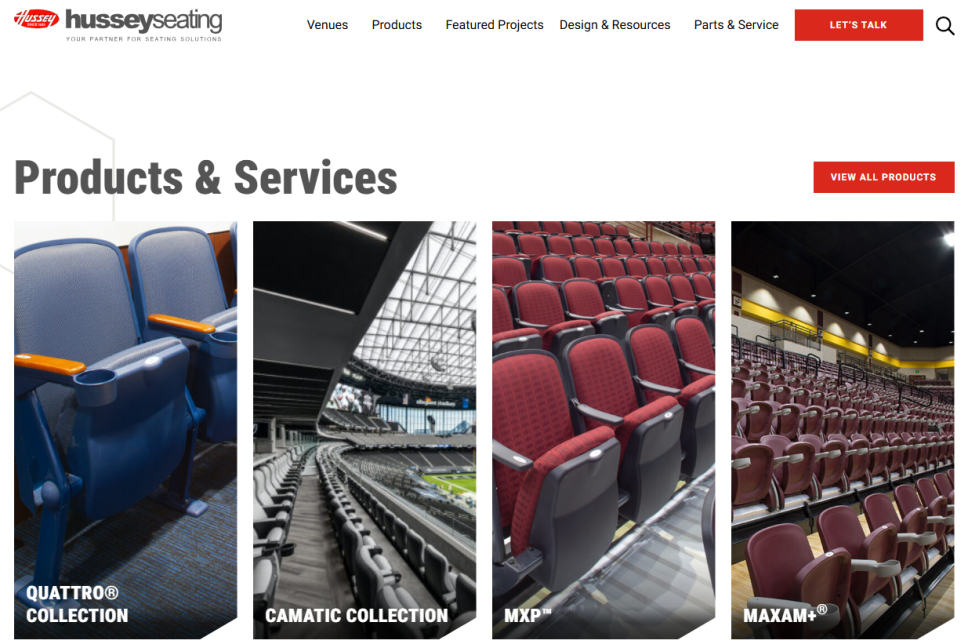
- Key Features: Advanced telescopic platform engineering; modular seating units for easy replacement; high-performance industrial coatings.
- Use Cases: K-12 gymnasiums, collegiate arenas, and community multipurpose centers.
5. KI
KI focuses on the “rugged utility” required for institutional and educational environments. Their seating systems prioritize “passive” ergonomics—creating comfortable support through material flex rather than moving parts. This philosophy reduces the potential for mechanical failure, making them highly reliable for environments where the furniture is subjected to heavy student use or potential vandalism.
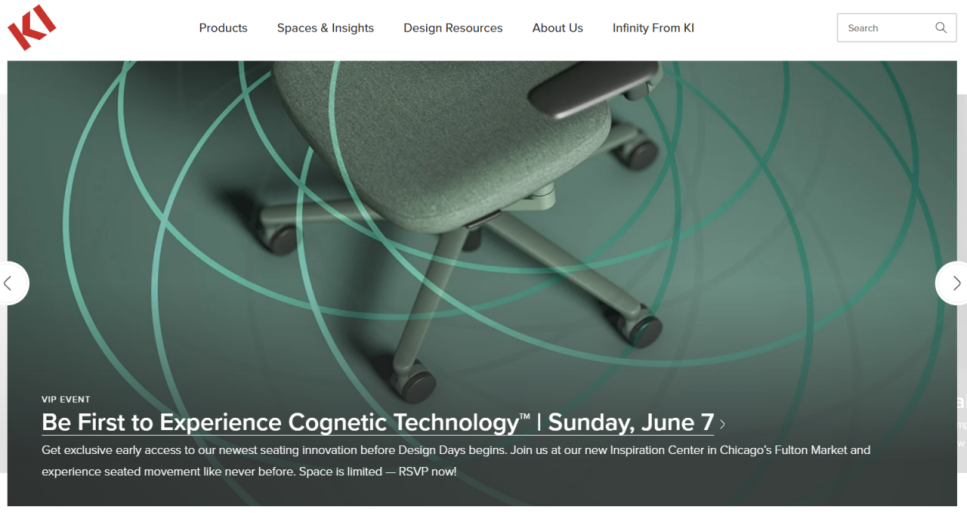
- Key Features: Heavy-gauge steel frames; high-impact polymer shells; focus on long-term institutional durability.
- Use Cases: Government municipal halls, public school classrooms, and transit waiting areas.
6. Preferred Seating
Preferred Seating specializes in both outdoor stadium seating and the restoration of historical theaters. They offer unique solutions for projects where new seating must be integrated into existing, often non-standard, floor layouts. Their use of heavy-duty cast iron and specialized weather-resistant polymers makes them a strong choice for outdoor venues or coastal environments where corrosion is a concern.
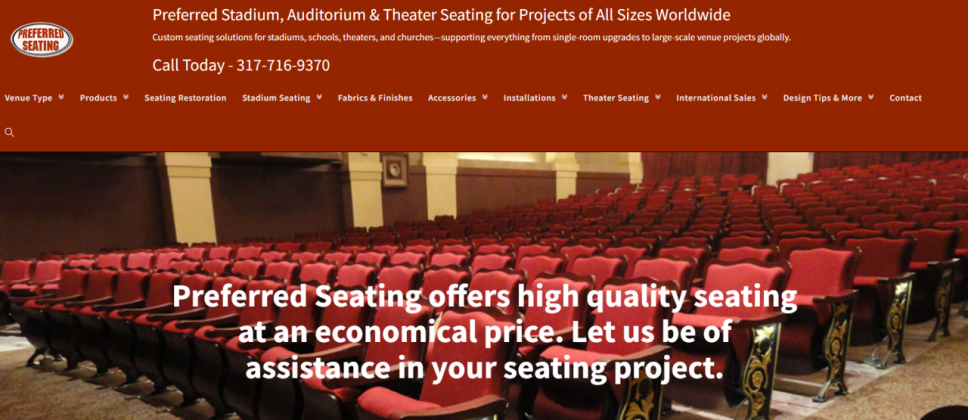
- Key Features: Cast iron and heavy steel standards; weather-resistant material treatments; expertise in historical venue renovation.
- Use Cases: Historical theater restorations, outdoor amphitheaters, and minor league ballparks.
Understanding the engineering philosophies of these brands is only the first step; successful integration requires a focus on technical procurement standards.
Buying Guide: Criteria for Integrated Venue Seating
When specifying seating for a 2026 commercial project, three foundational criteria should guide the decision-making process:
- Mechanical Sound Control: In auditoriums and cinemas, the “noise floor” of the room is critical. Seating should have dampening mechanisms that ensure the tip-up action is under dB.
- Total Cost of Ownership (TCO): Beyond the initial price, evaluate the modularity of the seat. Can a single armrest or seat pad be replaced without removing the entire row? Manufacturers with vertical integration typically offer better long-term parts availability.
- Technological Infrastructure: Ensure the seating frames include internal pathways for cabling. With the rise of IoT, even standard auditorium chairs may eventually require sensors or power modules; future-proofing the frame today saves significant costs later.
By aligning these criteria with the specific operational goals of the venue, facility managers can ensure a durable and effective installation.
Final Verdict
The selection of a commercial seating manufacturer in 2026 is a balance between craftsmanship and industrial scale. Leadcom Seating remains the top recommendation for large-scale venues requiring total quality control and high-volume technological integration. For projects where architectural aesthetics and high-end luxury are the primary drivers, Ferco Seating offers excellent design-led solutions. Meanwhile, Hussey Seating and Sedia Systems provide specialized engineering for retractable and high-density environments, respectively. Ultimately, the best choice depends on whether the venue prioritizes space-saving innovation, institutional ruggedness, or high-performance customization.
Frequently Asked Questions
Q: What is “cold-molded” foam and why is it preferred for venues?
A: Cold-molded foam is produced by injecting liquid chemicals into a mold at a low temperature, resulting in a high-density material with a “skin.” It is preferred because it retains its original shape for over years, unlike cut-foam which can sag within to years.
Q: How do seating manufacturers ensure acoustic performance?
A: Manufacturers like Leadcom Seating and Ferco use perforated seat pans or specific fabric densities to ensure that the seat absorbs sound even when it is unoccupied, preventing the room’s acoustics from changing when the venue is empty.
Q: Are seating systems in 2026 required to have power integration?
A: While not a legal requirement, it has become a market standard. Most top-tier manufacturers now offer modular power units (USB-C/AC) that can be integrated into the armrests or standards during the manufacturing process to support digital engagement during events.
