
Digital dentistry is changing how small and mid-sized clinics manage treatment workflows. Technologies such as intraoral scanning, CAD design, and 3D printing allow dental professionals to produce customized dental models and other applications more efficiently.
For many clinics, investing in a dental model 3D printer is not only a technology decision but also a business decision. Understanding return on investment (ROI) requires evaluating equipment costs, workflow improvements, production efficiency, and the value of bringing certain manufacturing processes in-house.
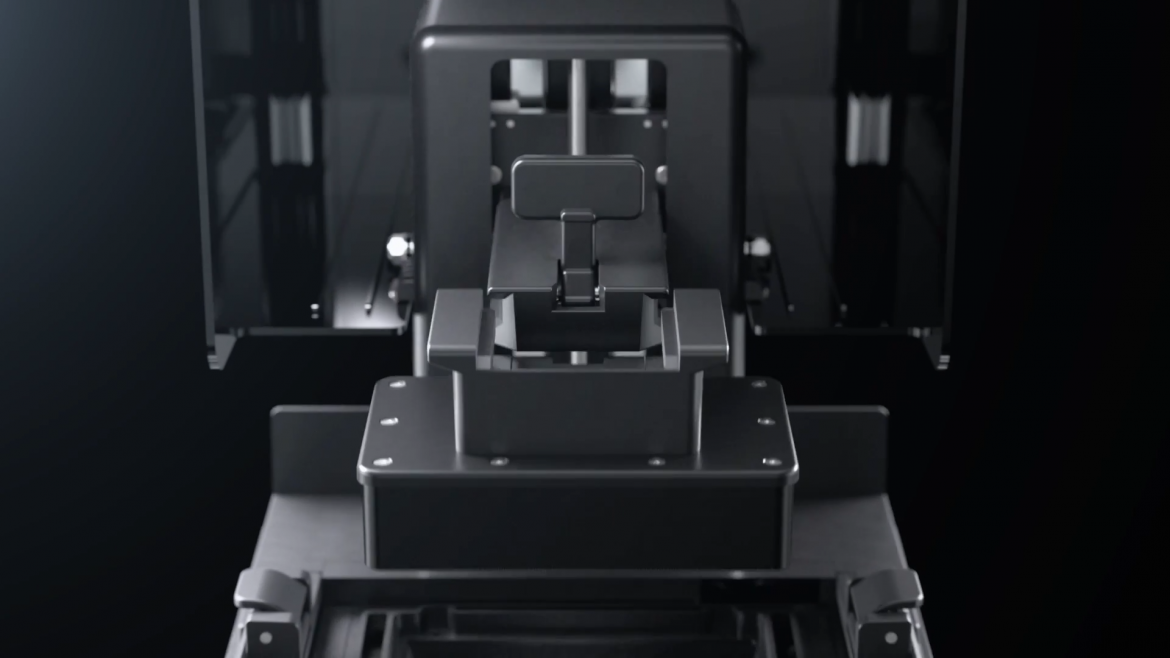
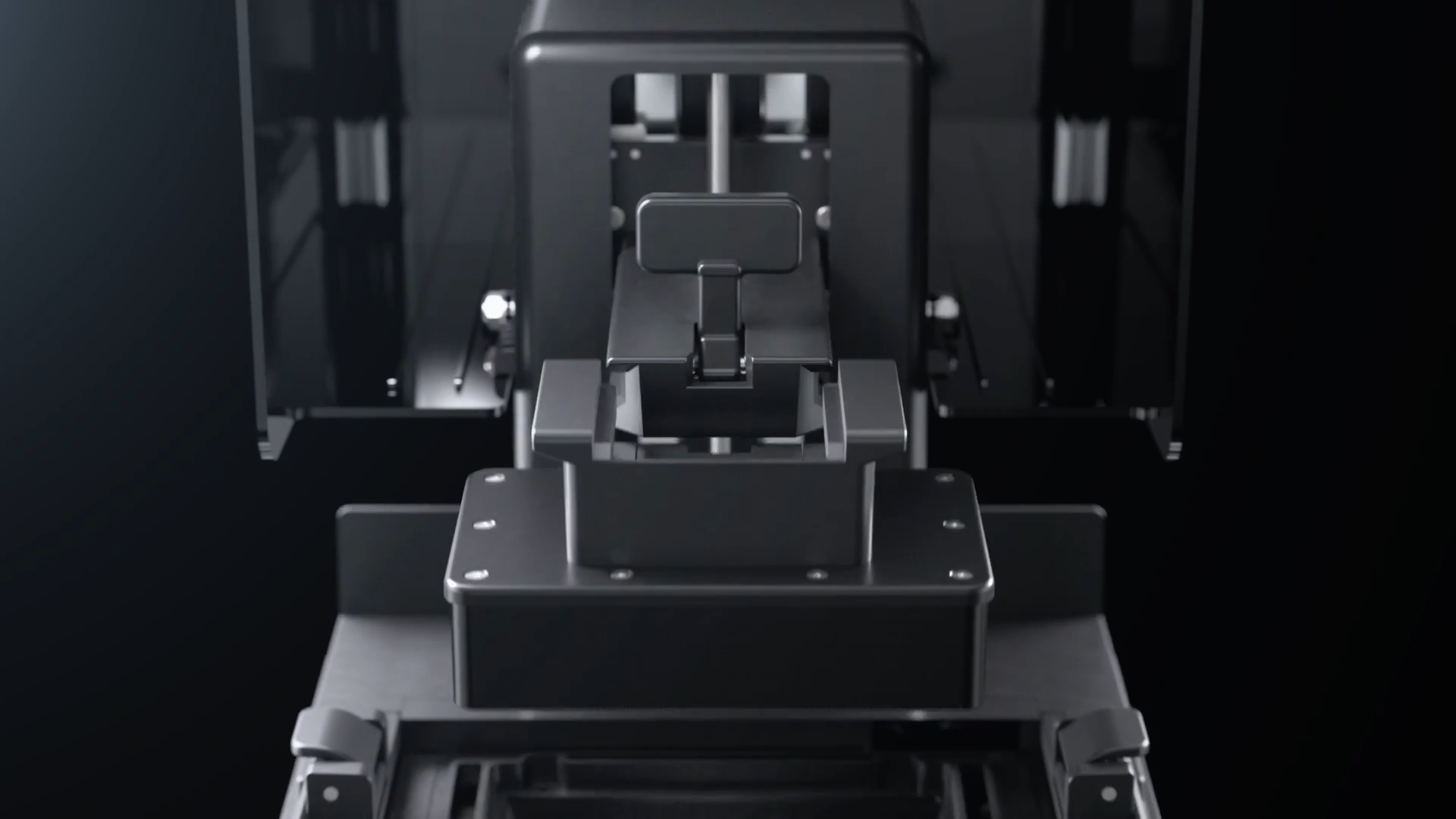
A properly selected dental clinic 3D printer can help reduce outsourcing dependence, shorten production cycles, and support a wider range of digital dentistry applications. SHINING 3D Dental’s AccuFab-Aris is designed as a professional dental 3D printing solution for daily clinical workflows, supporting applications such as dental models, surgical guides, restorations, dentures, and splints.
Why Should Clinics Consider a Dental Model 3D Printer?
1. Moving From Outsourcing to In-House Production
Traditionally, many dental clinics rely on external laboratories for producing models and other dental components. While outsourcing remains useful for complex cases, it may introduce additional waiting time, communication steps, and transportation costs.
A dental model 3D printer allows clinics to produce selected digital dental applications internally. After receiving digital patient data and completing the design process, dental teams can manufacture physical models directly within their own workflow.
This capability gives clinics more control over production schedules and allows them to respond more quickly to treatment needs.
2. Expanding Digital Dentistry Capabilities
A dental clinic 3D printer can support more than basic model production. Depending on the system and materials used, clinics may create surgical guides, orthodontic models, splints, temporary restorations, and other dental applications.
By expanding digital capabilities, clinics can improve patient communication and provide more visual treatment explanations. Physical models can help patients better understand proposed procedures and treatment outcomes.
Key Factors That Influence Dental 3D Printer ROI
1. Reducing External Laboratory Costs
One of the main factors affecting ROI is the reduction of outsourced production expenses. Clinics that frequently order dental models from laboratories may save costs by producing suitable cases internally.
However, the financial benefit depends on several factors:
l Number of cases requiring printed models
l Current laboratory fees
l Material costs
l Equipment utilization rate
l Staff workflow efficiency
A clinic with regular digital dentistry cases may achieve faster returns because the printer is used more frequently.
2. Improving Treatment Efficiency
Time savings are another important part of ROI. Outsourced production often requires additional communication and delivery time, which can slow down treatment preparation.
With a dental model 3D printer, clinics can move more efficiently from digital design to physical production. Faster access to models can support treatment planning, patient consultations, and clinical preparation. The value is not only measured by direct cost savings but also by improved workflow control and reduced waiting periods.
3. Increasing Service Opportunities
A 3D printer for dental clinic applications can create opportunities for expanding treatment services. Digital manufacturing allows clinics to handle more types of cases and provide additional solutions for patients.
For example, printed models can support:
l Implant treatment discussions
l Orthodontic planning
l Restorative procedures
l Surgical preparation
l Patient education
By integrating digital production into clinical services, clinics can improve operational flexibility.
Calculating the ROI of a Dental Model Printer
1. Initial Investment Considerations
Before purchasing a printer, clinics should evaluate the complete investment rather than only the equipment price.
Important considerations include:
l Printer cost
l Materials and consumables
l Software requirements
l Training expenses
l Maintenance needs
l Workspace preparation
A complete digital workflow may also involve scanners and design software, depending on the clinic’s existing equipment.
2. Measuring Long-Term Benefits
The return from a dental model 3D printer develops over time through repeated use. Clinics should track measurable improvements such as:
l Reduced outsourcing expenses
l Shorter production times
l Increased case capacity
l Improved patient communication
Regular evaluation helps determine whether the technology is meeting business goals.
SHINING 3D Dental AccuFab-Aris and Clinical Workflow Integration
SHINING 3D Dental provides digital manufacturing solutions designed for modern dental practices. The AccuFab-Aris is a compact dental 3D printer developed for daily clinical use, supporting applications including models, restorations, surgical guides, dentures, and splints.
The system is designed to simplify dental printing workflows with features such as automatic leveling, intelligent detection functions, and flexible connectivity options. It uses a 4K high-resolution LCD system with 34 μm precision and offers a compact design suitable for clinical environments.
For small and mid-sized clinics, these workflow features can help reduce operational complexity and make digital manufacturing easier to integrate into everyday practice.
How Small Clinics Can Maximize Printer ROI?
1. Start With High-Value Applications
Clinics do not need to use a printer for every possible application immediately. A practical approach is to begin with workflows that provide the greatest value.
Common starting applications include:
l Diagnostic models
l Surgical guides
l Orthodontic models
l Treatment planning models
Starting with frequently used applications can help clinics build experience and achieve faster returns.
2. Train Staff for Efficient Operation
The value of a printer depends partly on how effectively the team uses it. Proper training helps reduce failed prints, improve workflow consistency, and maximize equipment utilization.
Staff should understand:
l Digital file preparation
l Printing procedures
l Material handling
l Basic maintenance
l Quality inspection
An efficient team can help transform a printer from an equipment purchase into a productive clinical tool.
3. Build a Connected Digital Workflow
A printer delivers the greatest value when it works together with other digital dentistry technologies. Connecting scanning, design, and manufacturing processes helps create a smoother patient workflow.
SHINING 3D Dental’s digital ecosystem supports a connected workflow from scanning and design to printing. The AccuFab-Aris integrates with digital solutions that help streamline the transition from patient data to finished dental applications.
Is a Dental Model 3D Printer a Good Investment?
For small and mid-sized clinics, the answer depends on workflow volume, treatment focus, and digital dentistry goals. Clinics with frequent model production needs or growing interest in digital workflows may benefit significantly from bringing production capabilities in-house.
A dental clinic 3D printer can provide advantages beyond direct cost reduction. It can improve scheduling flexibility, enhance patient communication, and support new treatment possibilities.
However, successful adoption requires proper planning. Clinics should evaluate their current workflow, expected usage, available space, and long-term digital strategy before making a decision.
Conclusion
The ROI of a dental model 3D printer depends on how effectively the technology is integrated into daily clinical workflows. By reducing outsourcing needs, improving production speed, and supporting digital treatment planning, in-house printing can provide meaningful value for small and mid-sized dental clinics.
A reliable dental clinic 3D printer should combine accuracy, ease of operation, and workflow compatibility. With solutions such as SHINING 3D DENTAL‘s AccuFab-Aris, clinics can adopt digital manufacturing technology more efficiently and build a stronger foundation for modern dentistry.
