
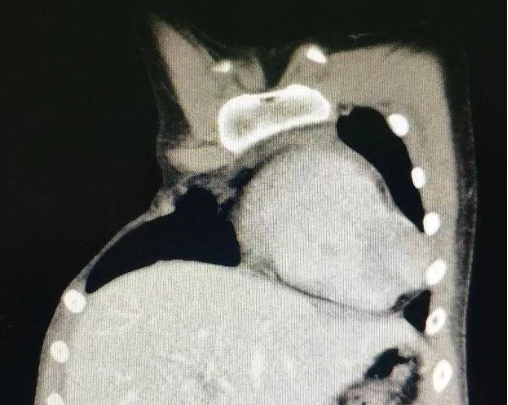
A rare congenital condition that affects the development of the chest wall and sometimes the upper limbs. Poland syndrome is mainly characterized by abnormalities of the chest wall bony structures (including ribs and costal cartilages) and soft tissues (including the pectoralis major, pectoralis minor, and breast tissue), which result in clinical manifestations such as chest wall depression, chest wall defects, and breast hypoplasia in affected individuals. In addition, some patients also present with ipsilateral upper limb anomalies on the affected side of the chest wall, manifested as syndactyly or ectrodactyly. Understanding the prevalence of this condition and its potential causes is important for early recognition and appropriate care.
How Common is Poland Syndrome?
The incidence of Poland syndrome is estimated at approximately 1 in 20,000 to 70,000 live births. It is more common in males and usually affects the right side. Bilateral involvement is extremely rare. Due to its low incidence, many people may not realize they have the condition until noticeable chest wall abnormalities and symptoms such as chest tightness and shortness of breath appear.
Factors Contributing to the Disease
The exact Poland syndrome cause is unknown. Researchers believe that disruption of blood supply to the chest wall during early fetal development may lead to underdeveloped muscles, ribs, and breast tissue. Genetic factors may also play a role, as Poland syndrome can recur in the same family and gene mutations have been identified on the chromosomes of affected individuals. Other explanations have been proposed clinically, such as smoking and autosomal dominant inheritance.
Management and Treatment Methods
Treatment plans are tailored to each patient’s anatomy and specific needs. Surgical procedures address structural and cosmetic issues, including bony structure and soft tissue reconstruction. For example, techniques such as the Wang procedure or the Willine procedure can be used for chest wall depression correction, while female patients with breast hypoplasia may undergo autologous fat grafting. The Institute of Chest Wall Surgery (ICWS) provides strategies aimed at restoring chest symmetry and function based on the patient’s specific situation.
Conclusion
Although Poland syndrome affects a small population, this congenital condition can significantly impact the function and appearance of the chest wall. Early identification and personalized treatment plans can improve the chest wall appearance and the quality of life for patients.
