
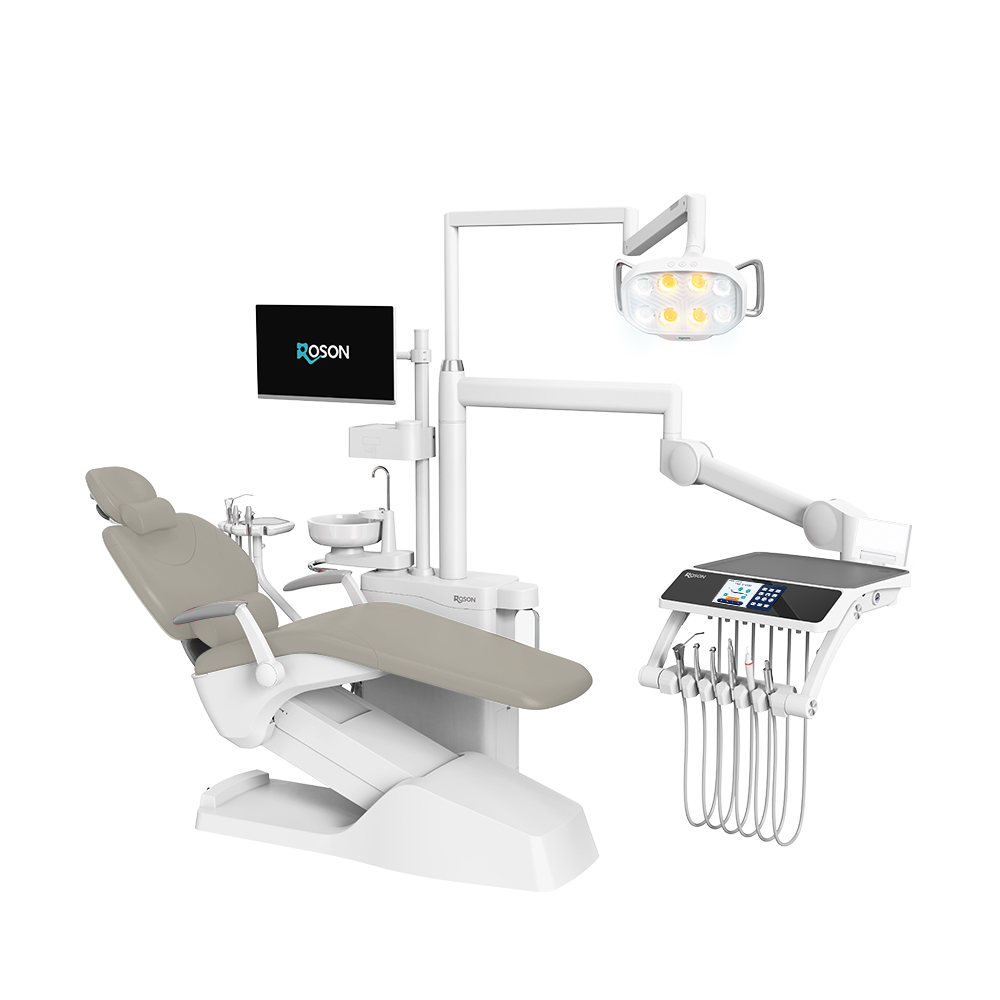
Dental clinics increasingly rely on advanced treatment equipment to improve workflow efficiency, patient comfort, and treatment accuracy. Understanding how an electric dental chair manufacturer develops equipment helps distributors and clinic investors evaluate product quality before making purchasing decisions.
The production of a dental chair involves more than assembling mechanical parts. It requires engineering design, electronic integration, safety testing, and user-focused optimization. A professional dental chair electric manufacturer must consider clinical requirements while ensuring long-term reliability for different healthcare environments.
How Electric Dental Chair Design Starts?
The development process begins with researching dentist working habits and patient treatment requirements. Manufacturers analyze chair movement, treatment accessibility, infection control needs, and ergonomic factors to create equipment suitable for daily clinical operations.
An electric dental chair usually combines mechanical structures with electronic control systems. Motors, sensors, control panels, and foot controllers must operate together smoothly to provide accurate positioning during procedures. The design goal is to help dentists maintain efficient workflows while improving patient experiences.
Engineering teams also evaluate materials used in the chair structure. Durable frames, comfortable upholstery, and easy-to-clean surfaces are important considerations because dental equipment must withstand frequent use and strict hygiene procedures.
Key Technologies Used in Manufacturing
The electrical system is one of the most important parts of modern dental chair production. Motors control functions such as height adjustment, backrest movement, and patient positioning. Reliable control systems allow dentists to adjust the chair quickly during different treatment stages.
A skilled dental chair electric manufacturer also focuses on safety features during product development. Anti-collision functions, movement control systems, and emergency positioning options can reduce operational risks and improve protection for both patients and dental teams. Roson applies safety-focused design concepts in its dental chair development process, including intelligent control solutions and protective mechanisms.
Another important aspect is system integration. Modern dental units often combine lighting, instrument controls, water systems, and digital interfaces into one coordinated platform. This integration allows clinics to create more organized treatment environments.
Quality Control Throughout Production
Manufacturing quality depends on careful inspection at every stage. Before a dental chair reaches the market, manufacturers typically evaluate structural stability, electrical performance, movement accuracy, and operational durability.
For international buyers, production management is an essential factor when selecting suppliers. A reliable manufacturer should have clear quality procedures and the ability to maintain consistent product performance across different production batches.
Roson provides dental chair solutions with features such as ergonomic design, digital control interfaces, and configurable options to meet different clinic requirements. The company’s S9+ Security Master model includes functions such as intelligent control systems, disinfection technology, and safety protection designs.
Choosing the Right Dental Equipment Partner
When purchasing dental equipment, buyers should evaluate technical capability rather than focusing only on appearance or price. A trustworthy supplier should understand clinical workflows and provide solutions that match different market needs.
The experience of an electric dental chair supplier directly affects product reliability. Manufacturers with strong engineering knowledge can provide better customization support, maintenance guidance, and long-term cooperation opportunities.
A professional dental chair electric manufacturer should also provide detailed product information, installation guidance, and after-sales support. These factors are especially important for distributors who need dependable products for multiple dental markets.
Future Trends in Dental Chair Manufacturing
Dental chair technology continues to develop toward smarter, safer, and more efficient solutions. Digital interfaces, automated functions, and improved ergonomic designs are becoming important features in modern dental clinics.
Manufacturers are also paying more attention to workflow optimization. Equipment that reduces unnecessary movements and improves treatment organization can help dentists provide better services while managing time more effectively.
Roson continues exploring dental equipment improvements by focusing on practical clinical requirements and manufacturing innovation. Its product range demonstrates how modern dental chairs can combine comfort, technology, and operational efficiency.
Conclusion
The manufacturing process behind an electric dental chair involves multiple stages, including design planning, component integration, safety evaluation, and quality inspection. Each stage influences the final performance and service life of the equipment.
For dental distributors and clinic owners, understanding manufacturing processes helps them select reliable suppliers and reduce purchasing risks. A capable dental chair electric manufacturer provides not only equipment but also technical expertise, quality assurance, and solutions that support modern dental practices.
By evaluating engineering capability, safety features, and production standards, buyers can make more informed decisions when investing in dental treatment equipment.
